


Saturday, July 20, 2013 By Alicia Bodine
Although plants will grow as long as they have soil, water and light, fertilizer can be used to help the plants grow faster and appear more vibrant. Store bought fertilizers contain chemicals that can burn the plants if not used properly. It is much safer for the plants when you create a homemade fertilizer to use. This fertilizer should contain baking soda, which eliminates the growth of fungal diseases that will hinder the plant's growth. 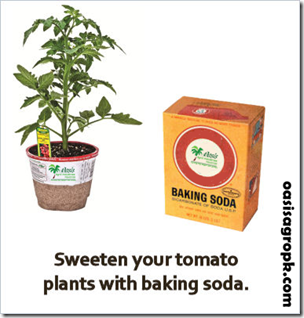 Instructions
 Instructions
- Pour 1 gallon of hot water into a small bucket.
- Add 1 teaspoon of baking soda and 1 tablespoon of Epsom salts to the hot water. Stir until both ingredients have dissolved.
- Pour 1/2 cup of molasses and 1/4 teaspoon of ammonia in the bucket. Stir again to combine all of the ingredients.
- Set the baking soda fertilizer aside until it cools to room temperature.
- Pour 1 cup of the homemade baking soda fertilizer into the soil of each plant. Repeat monthly to encourage your plants to grow healthy and strong.


